Interior vs Exterior Waterproofing Methods Explained
People seeking interior and exterior waterproofing aim to prevent water damage and leaks, and local contractors can provide expert solutions tailored to their specific needs.
Understanding the differences between interior vs exterior waterproofing methods explained can be essential for property owners seeking effective ways to protect their structures from water damage. Whether dealing with basement leaks, damp walls, or foundation concerns, exploring these options helps make informed decisions about safeguarding a property’s integrity. Local contractors who specialize in waterproofing services can assess specific needs and recommend the most suitable approach, ensuring that the chosen method aligns with the property's unique conditions and goals.
Property owners in the area often consider these waterproofing methods to prevent costly repairs and maintain a healthy, stable environment inside their homes or commercial spaces. Interior waterproofing typically involves solutions applied within the building, such as sealants or drainage systems, while exterior approaches focus on addressing issues before water reaches the structure, often through excavation or membrane installation. Connecting with experienced service providers can help evaluate which approach fits best, providing practical solutions that protect investments and enhance property longevity.
- Interior waterproofing - is suitable when moisture issues are confined to interior spaces, and local contractors can install sealants or barriers within walls and floors.
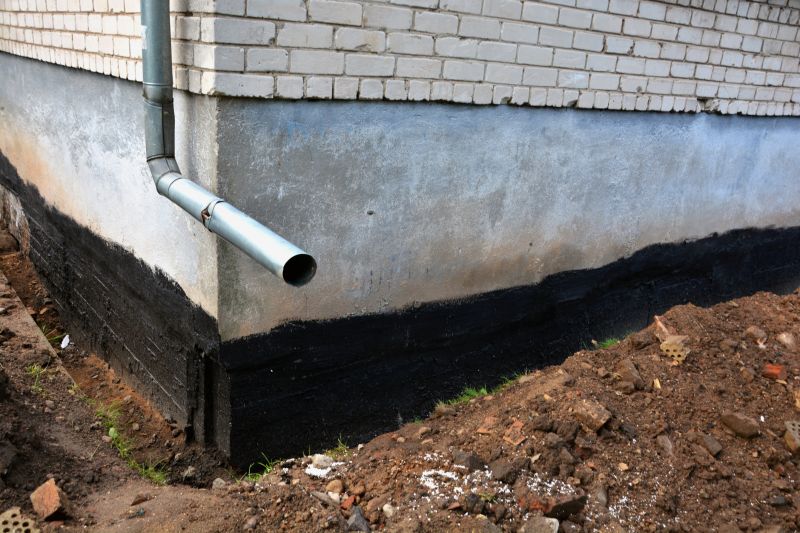
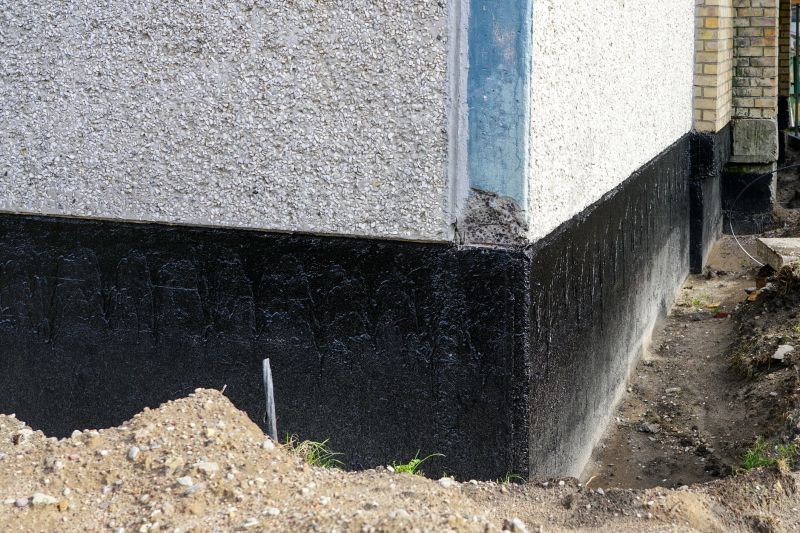
- Exterior waterproofing - is recommended for preventing water intrusion before it reaches the foundation, with service providers applying coatings or drainage systems on the building exterior.
- Interior waterproofing - may be needed in cases of existing water damage or basement flooding, with local pros focusing on interior wall coatings and sump pump installation.
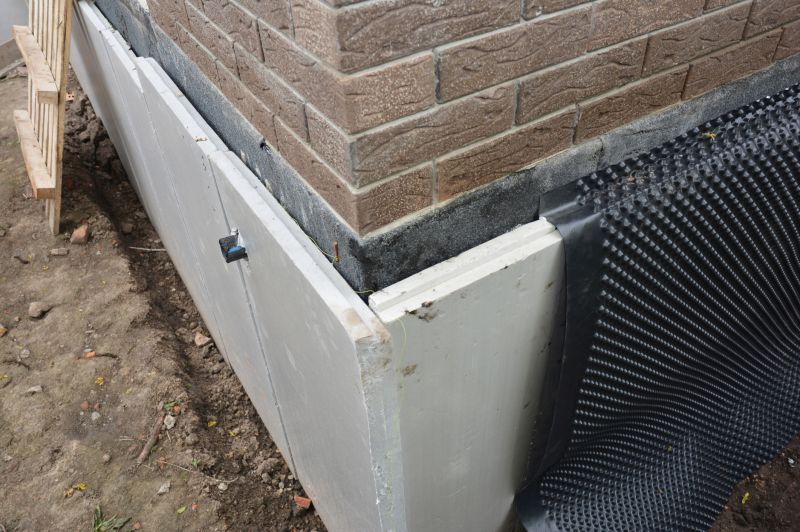
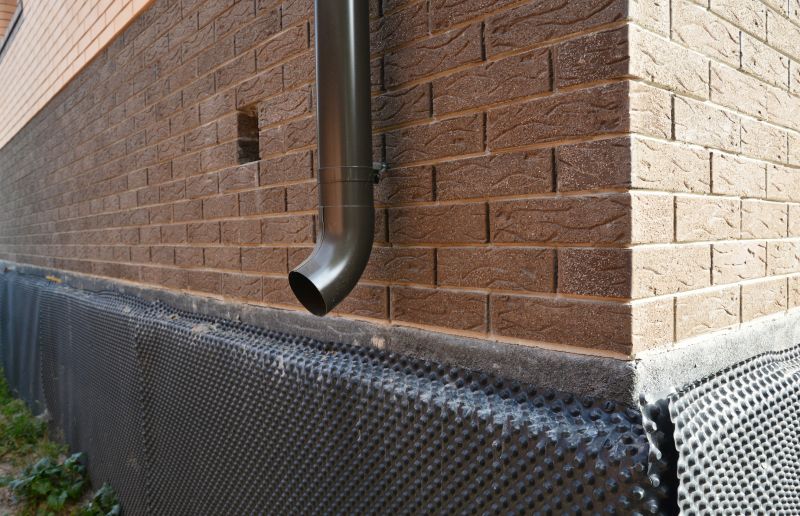
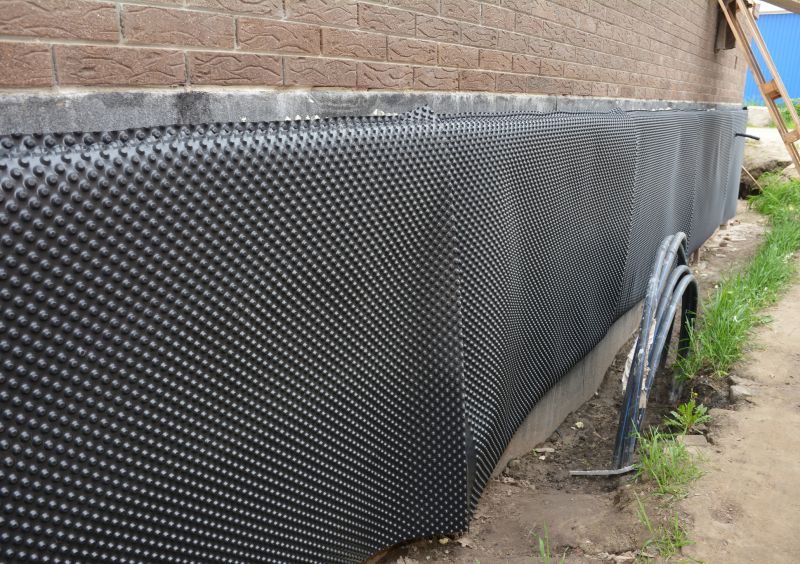
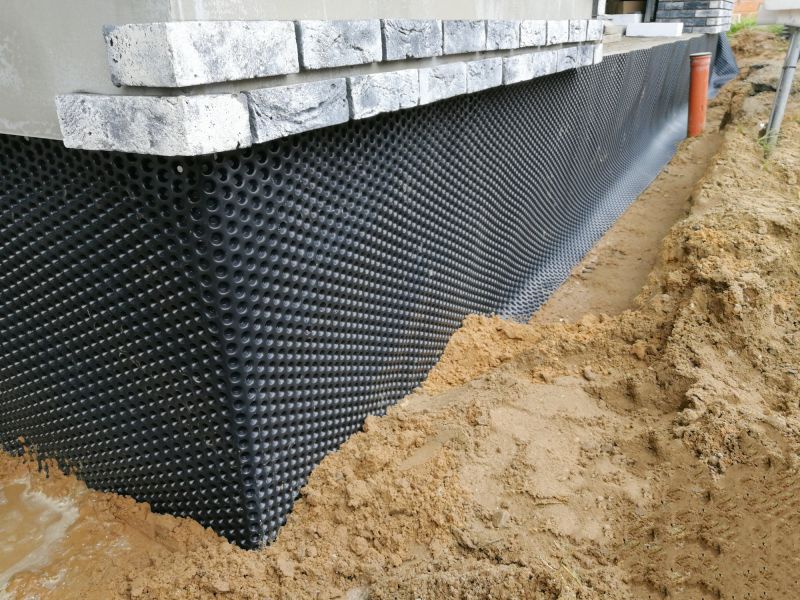
- Exterior waterproofing - is often chosen for ongoing drainage problems, where contractors excavate around the foundation to apply waterproof membranes and improve drainage.
- Interior vs exterior waterproofing methods explained - helps property owners decide the best approach based on the specific water issues, with local service providers offering tailored solutions for each method.
When homeowners search for information about interior vs exterior waterproofing methods explained, they are typically trying to understand the different approaches used to prevent water intrusion in their properties. This topic often arises when addressing issues like basement leaks, mold growth, or damp walls, or when planning new construction or renovations. People want to know which method is more effective for their specific situation, how each approach works, and what kind of repairs or upgrades might be necessary. Understanding these methods helps homeowners make informed decisions about protecting their property from water damage and avoiding costly repairs down the line.
The problems related to interior vs exterior waterproofing methods explained usually involve water seepage that causes structural damage, mold, or deterioration of building materials. These issues are common in properties with basements, crawl spaces, or foundation walls that are exposed to heavy rainfall, snowmelt, or high groundwater levels. Homeowners may also be planning renovations that require waterproofing to ensure the space remains dry and usable. The choice between interior and exterior waterproofing often depends on the severity of the problem, the property’s foundation type, and the overall goal of the waterproofing project. Local service providers specializing in waterproofing can assess the situation and recommend the most suitable approach.
Properties that typically come up in discussions about interior vs exterior waterproofing methods explained include residential homes, especially those with basements or below-grade foundations, as well as commercial buildings with underground structures. Older properties with aging foundations may be more prone to water issues, making waterproofing a critical part of maintenance or renovation plans. Newer buildings might also require waterproofing to meet building codes or prevent future problems. In many cases, the decision to pursue interior or exterior waterproofing depends on the property’s design, existing damage, and environmental conditions. Experienced local contractors can evaluate these factors and provide tailored solutions to keep the property dry and structurally sound.
Understanding the differences between interior and exterior waterproofing methods is key for homeowners considering water management projects. Interior waterproofing involves installing systems inside the building, such as sump pumps, wall sealants, or drain tiles, to manage water that has already entered or is likely to enter the space. Exterior waterproofing, on the other hand, focuses on preventing water from penetrating the foundation in the first place, often through excavation, applying waterproof membranes, and improving drainage around the property. Both methods play important roles depending on the specific circumstances, and local service providers are equipped to handle either approach. They can help homeowners determine which waterproofing strategy best suits their property’s needs, ensuring long-term protection against water damage.
Basement Waterproofing Projects - These projects often require expertise in both interior and exterior waterproofing techniques to prevent water intrusion and structural damage, making them relevant for local contractors skilled in both methods.
Foundation Repair Jobs - Foundation repair involves assessing and addressing water-related issues, utilizing similar planning and tools as interior and exterior waterproofing services to ensure stability and dryness.
Retaining Wall Construction - Building retaining walls involves managing water drainage and moisture control, which parallels the skills used in waterproofing methods for preventing water damage around structures.
Drainage System Installations - Proper drainage is crucial in waterproofing projects, requiring knowledge of water flow management similar to exterior waterproofing techniques to protect property foundations.
Crawl Space Encapsulation - Encapsulation involves sealing and moisture control strategies akin to interior waterproofing methods, with local service providers able to handle both tasks effectively.
Waterproofing for Commercial Buildings - Large-scale waterproofing projects for commercial properties involve planning and application of both interior and exterior methods, requiring skills comparable to those used in residential waterproofing services.
When evaluating local contractors for interior vs exterior waterproofing services, it is important to consider their experience with similar projects. Homeowners should inquire about the types of waterproofing jobs they have completed and whether they have handled both interior and exterior methods. A contractor with a proven track record in projects comparable to the homeowner’s needs can provide insights into effective solutions and potential challenges. Reputable references or reviews from previous clients can also offer valuable perspectives on the contractor’s ability to deliver quality results and handle the specific requirements of waterproofing work.
Clear, written expectations are essential when comparing local service providers. Homeowners should seek detailed proposals that outline the scope of work, materials to be used, and the approach for interior versus exterior waterproofing. Understanding what each method entails helps in making an informed decision about which contractor’s plan aligns best with the project’s goals. Additionally, a well-defined scope prevents misunderstandings and ensures that both parties are on the same page regarding the work to be performed, whether it involves sealing walls from the inside or applying barriers on the exterior foundation.
Good communication is a key factor when choosing among local contractors for waterproofing services. Homeowners should observe how promptly and clearly contractors respond to inquiries and whether they provide thorough explanations of the differences between interior and exterior waterproofing methods. Contractors who are transparent about their processes and willing to answer questions can help ensure that homeowners fully understand the options available and the reasoning behind recommended solutions. Effective communication fosters trust and helps homeowners feel confident in selecting a service provider capable of delivering reliable, tailored waterproofing solutions.
Property owners often search for interior vs exterior waterproofing methods explained when they are planning practical projects around their homes and businesses. Local pros provide Interior and Exterior Waterproofing services for everyday jobs and straightforward project options.
In many residential projects, property owners seek to understand the differences between interior and exterior waterproofing methods to protect their homes from water intrusion and damage. Homeowners often look up this topic when planning repairs or upgrades to basements, foundations, or crawl spaces, especially after noticing signs of moisture or water leaks. Local contractors specializing in waterproofing can evaluate specific needs and recommend suitable solutions, whether that involves treating the interior surfaces or applying barriers on the outside of the structure to prevent water entry.
Choosing between interior and exterior waterproofing services depends on factors like the severity of water issues, the structure’s design, and existing conditions. Interior waterproofing typically involves installing drainage systems or sealants inside the building, making it a practical option for addressing ongoing moisture problems. Exterior waterproofing generally focuses on creating a waterproof barrier before water can reach the foundation, often suited for more extensive or preventative projects. Local service providers can help property owners weigh these options and select the appropriate waterproofing methods for their specific situation.
What is the main difference between interior and exterior waterproofing methods? Interior waterproofing involves applying barriers or drainage systems inside the building to prevent water intrusion, while exterior waterproofing focuses on protecting the outside foundation surfaces before water can reach the structure. Local contractors can help determine which approach suits specific needs.
When should interior waterproofing be considered over exterior options? Interior waterproofing is typically used when exterior excavation isn't feasible or as a supplementary measure for managing existing water issues. Local service providers can assess the site to recommend the most effective method.
What are common exterior waterproofing techniques used by contractors? Exterior methods often include applying sealants, installing drainage systems, or adding waterproof membranes to foundation walls before backfilling. Local pros can implement these techniques to create a barrier against water infiltration.
Can interior waterproofing solutions be combined with exterior methods? Yes, combining interior and exterior waterproofing can provide comprehensive protection against water damage. Local contractors often recommend integrated approaches based on the building's condition and site factors.
How do local service providers determine whether interior or exterior waterproofing is better? They evaluate factors like the severity of water issues, foundation condition, and accessibility to recommend the most effective waterproofing method or combination of methods for each property.
Assessing Moisture Sources - Property owners can identify whether indoor or outdoor sources of water are affecting their space and choose waterproofing methods accordingly with help from local contractors.
Choosing Appropriate Waterproofing Types - Homeowners might decide between interior or exterior waterproofing based on the severity of water intrusion, with local service providers guiding the best approach.
Preparing for Waterproofing Projects - Planning a waterproofing project involves evaluating existing foundation conditions and selecting suitable interior or exterior solutions with assistance from local pros.
Implementing Long-Term Solutions - Property owners can work with local contractors to develop waterproofing strategies that protect their property from future water issues, whether through interior or exterior methods.
If you are thinking about interior vs exterior waterproofing methods explained for a property, this guide is meant to help you understand this topic, the typical project types, and how different options might fit your plans.
When you are ready, you can use the quote form on this page to share a few details about your project. From there, local pros can review the basics and follow up with options that match what you have in mind.